
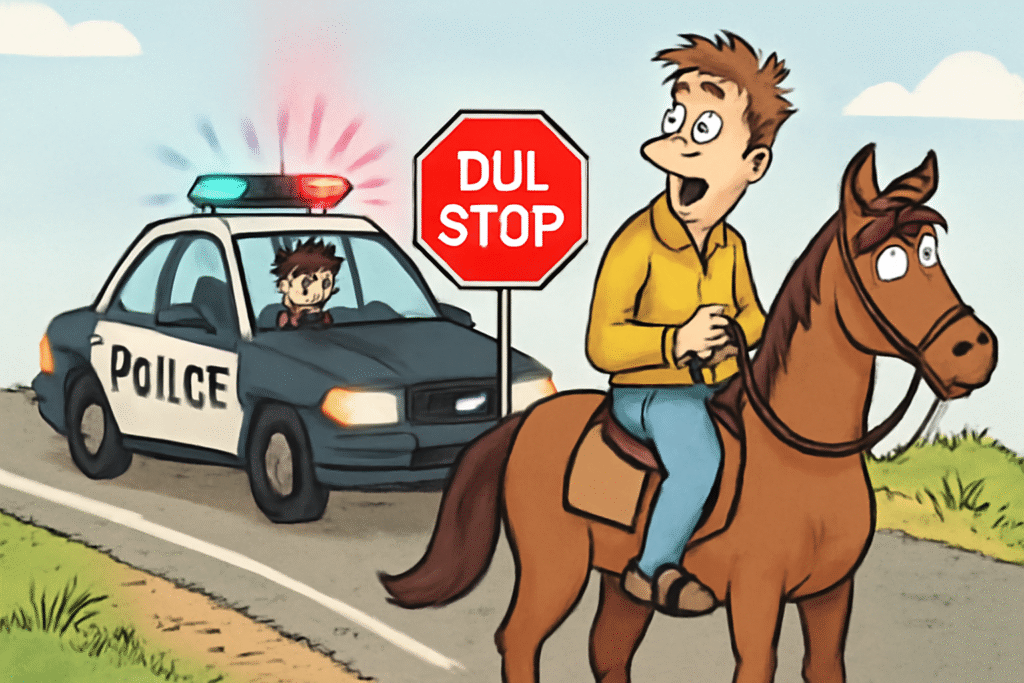
The idea of getting a DUI while riding a horse might sound like the setup to a joke—but it’s a very real question with complex answers. As quirky as it seems, this issue crosses paths with serious concerns about safety, law enforcement, and animal welfare. So, can you get a DUI on a horse? The answer depends largely on where you live and the specific circumstances of your ride.
This article dives into the legal definitions, state-by-state variations, the risks involved, and how laws are evolving to keep riders, animals, and the public safe—alongside practical advice and SEO-friendly insights for curious readers and business stakeholders alike.
Legal Definitions: Is a Horse a Vehicle?
The core legal question boils down to one word: vehicle. In many DUI laws, a “vehicle” is broadly defined as any device or “means of transportation” used to move people or property, which can include horses. This interpretation varies by jurisdiction.
-
In some states, like Maryland, laws explicitly include horses in “vehicles,” making it possible to charge someone with a DUI while riding a horse.
-
Other states, such as California and Oregon, generally exclude horses from DUI enforcement but may still enforce public intoxication or reckless endangerment laws.
Thus, where you ride as an intoxicated equestrian ultimately determines legal repercussions.
Potential Charges Beyond DUI
Even if a state doesn’t classify horseback riding as motor vehicle operation, the following charges may still apply if intoxicated while riding:
-
Public intoxication: Being drunk in a public space, regardless of transportation mode.
-
Reckless endangerment: Endangering others due to intoxicated behavior.
-
Animal cruelty: Impairing control over the horse, causing harm or risk to the animal.
Real-World Cases & Precedents
Legal precedents exist where individuals have been charged for riding animals while intoxicated. For example, Amish buggy drivers in Ohio have faced DUI charges due to horses pulling carriages considered “vehicles” under the law. Such cases highlight how horse riding falls under certain legal umbrellas depending on local statutes.
Why the Concern?
Riding a horse while intoxicated is dangerous—not just because of impaired judgment and motor coordination but due to the unpredictable nature of animals. Horses can respond unpredictably to rider commands, making drunk riders a hazard to themselves and surrounding public.
Practical Advice for Horse Owners and Riders
-
Know your state’s laws: Jurisdiction is king. Whether a horse counts as a vehicle varies significantly.
-
Avoid riding under influence: The safest choice for you, your horse, and others.
-
Consider alternative transport: Designate a sober rider or use other transportation options after drinking.
-
Animal welfare matters: Intoxicated control poses risks to horses.
Creative Insight
Think of a horse as both a vehicle and a living partner—combining transportation with responsibility. While laws may lag behind changing usage, responsible riding aligns with personal safety and animal respect.
Questions You Might Have
Q: Can I get a DUI on a horse in all states?
A: No. It depends on the state laws and how they define a vehicle.
Q: What happens if I ride drunk on private land?
A: Laws vary, but public intoxication or animal cruelty charges might still apply if it affects others.
Q: Are there specific blood alcohol limits for horseback riding?
A: Usually not; general intoxication laws apply.